Pumping Schedule for Building a Breast Milk Freezer Stash
Building a breast milk freezer stash requires a strategic pumping schedule that aligns with your body’s natural rhythm and daily routine. Whether you’re preparing for work, travel, or simply want peace of mind, following a structured plan can help you maintain a steady supply without stress. With the right timing, consistency, and storage techniques, you can create an abundant stash while keeping your milk production balanced.
Quick Answer: Best Pumping Schedule for a Freezer Stash
The best pumping schedule for a freezer stash is to pump once daily after your morning feed, then add one evening session after your baby’s last feed. If returning to work, pump 2-3 times during the day (every 3 hours). Maintain consistency, store milk properly, and rotate your stash using the first in, first out method.
When to Start Building Your Freezer Stash
While you’re still pregnant, it’s best to wait until your milk supply is well-established before starting your freezer stash, which typically happens around 4-6 weeks postpartum.
During this initial period, your body is learning to regulate milk production based on your baby’s needs.
You’ll know you’re ready to start building your stash when you’re consistently producing more milk than your baby consumes and your nursing routine feels comfortable.
Start by pumping once a day, usually in the morning when milk production is highest.
If you’re returning to work, begin collecting milk about 2-3 weeks before your return date. This gives you enough time to store an adequate supply while maintaining your regular feeding schedule with your baby.
For a structured approach, check out my guide on How to Create a Pumping Schedule for sample routines that fit your lifestyle.
Essential Pumping Equipment and Storage Supplies
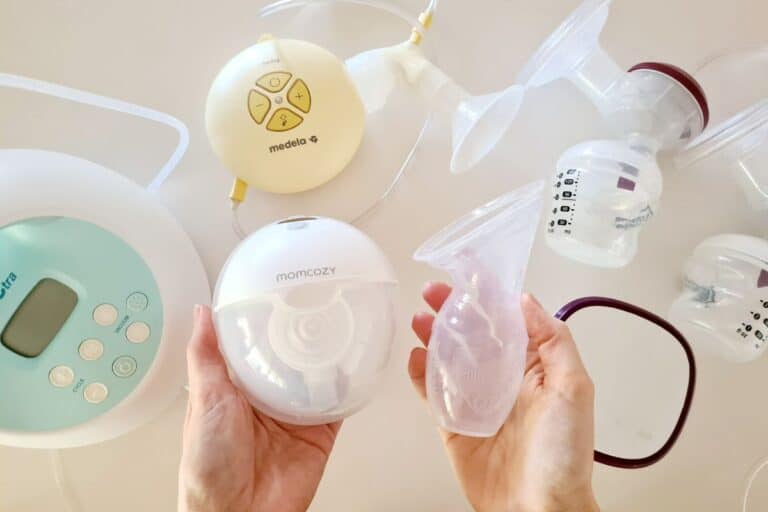
Successful breast milk pumping depends on having the right collection of essential equipment and storage supplies ready before you begin.
You’ll need a high-quality breast pump, either manual or electric, with correctly-sized flanges that fit your nipples. Stock up on storage bags or containers specifically designed for breast milk, and don’t forget to label them with dates.
Keep several clean bottles, collection containers, and spare pump parts on hand. To maintain hygiene, you’ll want bottle brushes, pump-part cleaning supplies, and microwaveable sterilizing bags.
A hands-free pumping bra can make your sessions more efficient, while breast pads prevent leaks between pumping. Consider getting an insulated cooler bag with ice packs for transporting milk, and dedicate space in your freezer for breast milk to store your stash safely and for the long term. Having a reliable freezer setup not only protects your milk but also helps keep everything organized and accessible.
Related: How to Choose a Breast Pump
Sample Pumping Schedules for Different Ages
Pumping Schedule for 0-3 Months (Newborn Phase)
- 0-4 Weeks: Focus on direct breastfeeding to establish a strong milk supply. Only pump if needed for engorgement relief.
- 4-6 Weeks: Introduce one pump per day after the morning feed to start building a small stash.
- 6+ Weeks: Add an additional evening pump session if more milk storage is needed.
| Time | Action |
|---|---|
| 7:00 AM | Nurse baby & pump right after (if starting stash) |
| 8:00 PM | Pump 30-60 min after baby’s last feed |
Pumping Schedule for 3-6 Months
| Time | Action |
| 7:00 AM | Nurse baby & pump right after |
| 12:00 PM | Midday pump session |
| 8:00 PM | Pump 30-60 min after baby’s last feed |
Pumping Schedule for 6+ Months (Building a Stash for Work or Occasional Use)
| Time | Action |
| 7:00 AM | Nurse baby & pump right after |
| 10:00 AM | Mid-morning pump (if needed for stash) |
| 3:00 PM | Afternoon pump (if needed for stash) |
| 8:00 PM | Pump 30-60 min after baby’s last feed |
For extra output: Add a power pumping session every few days (20 min pump, 10 min rest, repeat for an hour).
Tips for Maximizing Milk Output During Sessions
Getting the most milk from each pumping session depends on both proper technique and creating the right environment.
You’ll want to make certain you’re in a calm, comfortable space where you won’t be interrupted. Looking at photos or videos of your baby while pumping can help trigger your let-down reflex and increase output.
Before pumping, gently massage your breasts in circular motions and apply a warm compress for about five minutes.
When you’re pumping, make sure the flanges fit properly – they shouldn’t pinch or leave marks. Start with the pump’s stimulation mode for 2-3 minutes, then switch to expression mode. If milk flow slows, try breast compression or switch back to stimulation mode briefly.
Don’t forget to stay hydrated and maintain good posture during your session.
Safe Storage Guidelines and Organization Methods
Proper storage of breast milk guarantees your baby always has safe, nutritious milk available when needed. Store your milk in clean, food-grade containers or storage bags specifically designed for breast milk, and label each one with the date and amount.
Follow these temperature guidelines for ideal storage:
- Room temperature (77°F or below): up to 4 hours
- Refrigerator (40°F): up to 4 days
- Freezer (0°F or below): up to 6 months
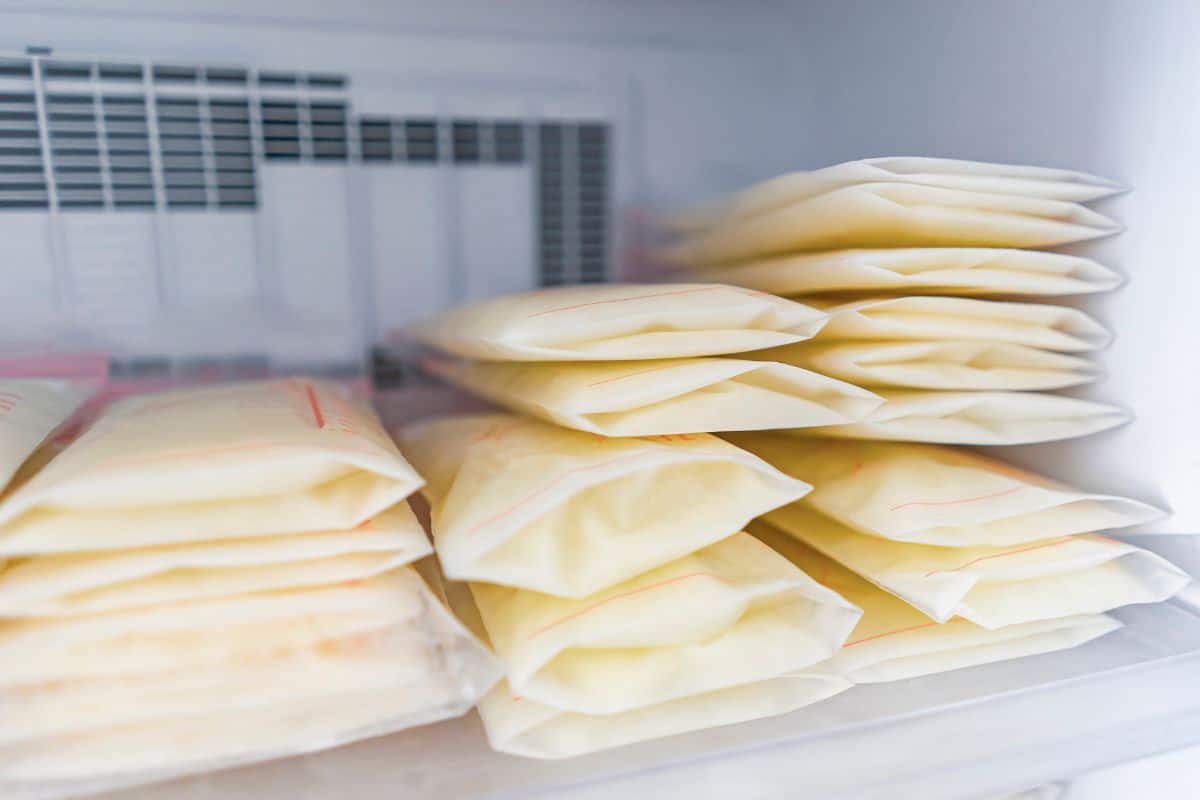
To prevent freezer burn, always remove excess air from storage bags before sealing and lay them flat to freeze.
Organize your stash using the “first in, first out” method, placing newer milk toward the back and older milk in front.
You’ll want to store milk in 2-4 ounce portions to minimize waste. When freezing, leave about an inch of space at the top of containers since breast milk expands when frozen.
For more detailed storage tips, check out my guide on How to Store Breast Milk.
Final Thoughts on Building a Freezer Stash
A well-planned pumping schedule can help you build and maintain a freezer stash without unnecessary stress. By choosing the right times to pump, staying consistent, and following proper storage guidelines, you can ensure a steady supply of breast milk for your baby. The key is to start at the right time, pump strategically, and store milk safely. Adjust your schedule as needed, and remember—every drop counts toward feeding your little one!
If you’re new to pumping and need a step-by-step guide, check out my Pumping 101 for everything you need to get started.