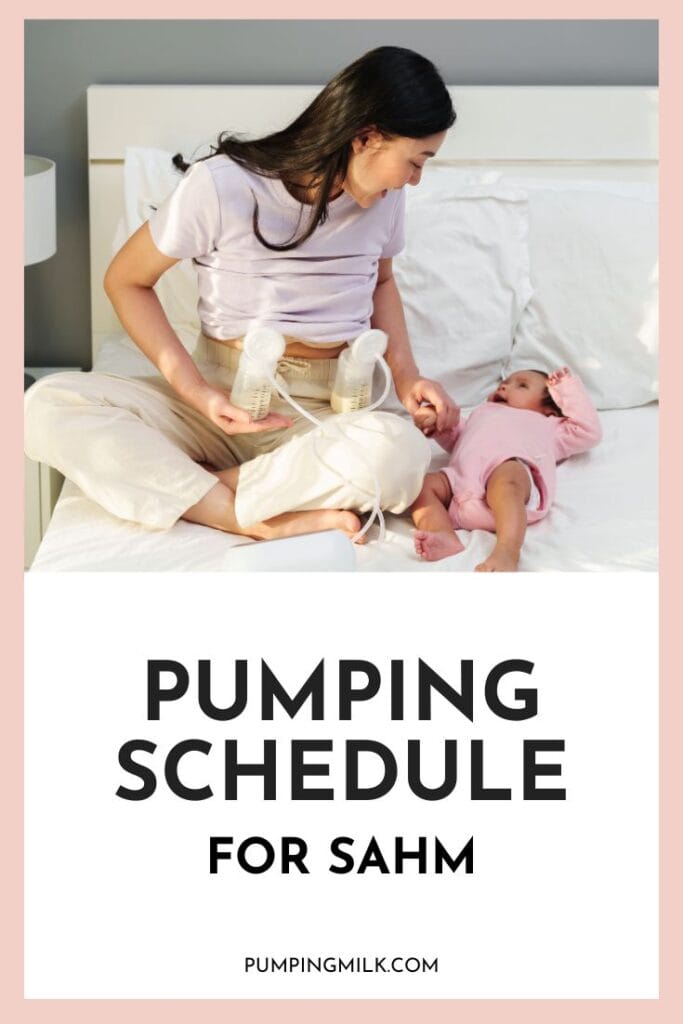
Pumping Schedule for Stay-at-Home Moms
A stay-at-home mom can maintain a steady milk supply by following a structured pumping schedule. Most moms pump 2–4 times a day, with an early morning session when milk-making hormones peak. Each session usually lasts 10–15 minutes per breast, spaced every 2–3 hours to match a baby’s natural feeding pattern.

Unlike working moms who must fit pumping around job schedules, stay-at-home moms have more flexibility, but that doesn’t mean it’s easy. Caring for a baby full-time means balancing pumping with feedings, naps, and daily responsibilities. A well-planned pumping schedule helps ensure milk production stays consistent without disrupting the flow of daily life.
Sticking to a schedule prevents dips in supply and helps avoid discomfort like engorgement or clogged ducts. It also makes daily life easier by creating predictable pumping times. But no two days with a baby are ever the same. A flexible approach helps adjust to changing needs while keeping milk production steady.
Why a Pumping Schedule Matters
Breastfeeding follows a supply-and-demand system. Pumping regularly tells the body to keep producing milk. Skipping sessions can lead to clogged ducts, discomfort, and a lower milk supply. Pumping at the same times each day helps maintain output.
A schedule also provides structure. It allows moms to plan daily activities around pumping sessions. Predictable sessions help reduce stress and make milk production more efficient.
And let’s be real—without a schedule, pumping can turn into a chaotic, last-minute scramble. Ever found yourself trying to soothe a fussy baby while fumbling with pump parts and wondering why you didn’t do this earlier? Yeah, a schedule helps prevent that.
Sample Pumping Schedules by Baby Age
Pumping needs change as babies grow. Newborns need frequent milk removal, while older babies require fewer sessions. Below are sample schedules for different stages. If your baby decides to take surprise three-hour naps or cluster feed all day, feel free to adjust.
| Baby’s Age | Sessions per Day | Example Schedule |
|---|---|---|
| Newborn (0-2 months) | 8–10 sessions (every 2–3 hrs) | 5 a.m., 7 a.m., 9 a.m., 11 a.m., 1 p.m., 3 p.m., 5 p.m., 7 p.m., 10 p.m., 2 a.m. |
| Around 3 months | 5–7 sessions (every 3 hrs) | 6 a.m., 10 a.m., 2 p.m., 5 p.m., 8 p.m., 11 p.m. |
| Around 6 months | 4–5 sessions (every 4 hrs) | 6 a.m., 10 a.m., 2 p.m., 6 p.m., 10 p.m. |
| 9+ months | 3–4 sessions (every 5–8 hrs) | 6 a.m., 12 p.m., 6 p.m., 10 p.m. |
Pumping frequency depends on milk supply, baby’s intake, and individual needs. Some moms may need more or fewer sessions.
And remember, babies don’t always stick to the script—some days, they’ll cluster feed like they’re training for a milk marathon, and other days they’ll act like they forgot food exists. Flexibility is key.
Essential Equipment for Pumping at Home
Having the right pumping tools makes pumping easier. A double electric breast pump like a Spectra S1 allows for faster milk removal. You may also want a wearable breast pump like the Momcozy M6 so you have your hands free to things around the home. Flanges in the correct size help prevent pain and improve efficiency. Extra pump parts, storage bags, and bottles keep milk safe.
A hands-free pumping bra lets moms multitask. A cooler bag is helpful for storing milk on the go. Keeping cleaning supplies nearby ensures hygiene and convenience.
And let’s not forget the most underrated essential—breastfeeding snacks. Pumping burns calories, and nothing makes a session feel more productive than a granola bar and a cold drink within reach.
Common Pumping Challenges
Many moms face challenges while pumping. Here are common issues and their causes:
- Low Milk Output: Incorrect flange size, low suction, or inconsistent pumping.
- Engorgement or Clogged Ducts: Skipped sessions or insufficient milk removal.
- Pain During Pumping: High suction settings, poor flange fit, or dry skin.
- Time Constraints: Managing a baby’s needs while keeping up with pumping.
Adjustments in pump settings, frequency, and technique can help improve comfort and efficiency. But let’s be honest—some days, no amount of perfect scheduling will prevent the moment where you sit down to pump, and your baby suddenly decides that’s the exact time they need to be held right now.
How to Make Pumping a Little Easier
While pumping might never be the highlight of your day, there are ways to make it smoother:
- Set up a dedicated pumping station. Having all your supplies in one place saves time and reduces frustration.
- Use a hands-free pump or bra. This frees up your hands to scroll through your phone, read, or just sit back and breathe.
- Drink plenty of water. Staying hydrated supports milk production and helps you feel better overall.
- Find distractions. Watch a show, listen to a podcast, or just close your eyes for a few moments of peace.
FAQ: Common Pumping Questions
Q: How often should a stay-at-home mom pump?
A: It depends on milk supply needs. Newborns require pumping every 2–3 hours. By 6 months, 4–5 sessions a day may be enough.
Q: Can I stop pumping at night?
A: In the first months, night pumping helps maintain supply. By 3–4 months, some moms can drop the night session if supply remains stable.
Q: How long should each session last?
A: Most sessions last 15–20 minutes. Some moms need longer to fully empty their breasts.
Q: How much milk should I expect per session?
A: It varies. Some moms pump 2–4 ounces per session. Others may pump more or less depending on supply.
Q: What’s the best way to store pumped milk?
A: Milk stays fresh at room temperature for 4 hours, in the fridge for 4 days, and in the freezer for 6 months. Always label storage bags with the date.
Q: What if I miss a pumping session?
A: If you miss a session, try to pump as soon as possible. If that’s not an option, don’t stress—just get back on track at the next session.
Final Thoughts on Pumping Schedule for Stay-at-Home Moms
Pumping on a schedule helps stay-at-home moms maintain a healthy milk supply while balancing daily life. As babies grow, schedules shift, but consistency remains key. Using the right equipment and addressing challenges early can make the pumping experience smoother.
Some days, pumping will feel like just another part of the routine. Other days, it might feel like a never-ending cycle. But each session brings you one step closer to your goals. Whether you’re building a stash with power pumping, keeping up with your baby’s needs, or just getting through one day at a time, you’re doing an incredible job. Keep going – you’ve got this!