
How Often to Replace Spectra Pump Parts
If you use your Spectra breast pump regularly, replacing worn pump parts is one of the easiest ways to maintain strong suction, comfortable pumping, and consistent milk output. Over time, parts like duckbill valves, backflow protectors, tubing, and flanges naturally wear down and can affect how well your pump performs.
One of the advantages of Spectra pumps is that many replacement parts are compatible across multiple models including the Spectra S1, S2, Synergy Gold, and Spectra 9, making replacements simple and affordable.
In this guide, I’ll walk you through how often to replace Spectra pump parts, signs your parts may need replacing, and where to find replacement parts for popular Spectra breast pumps.
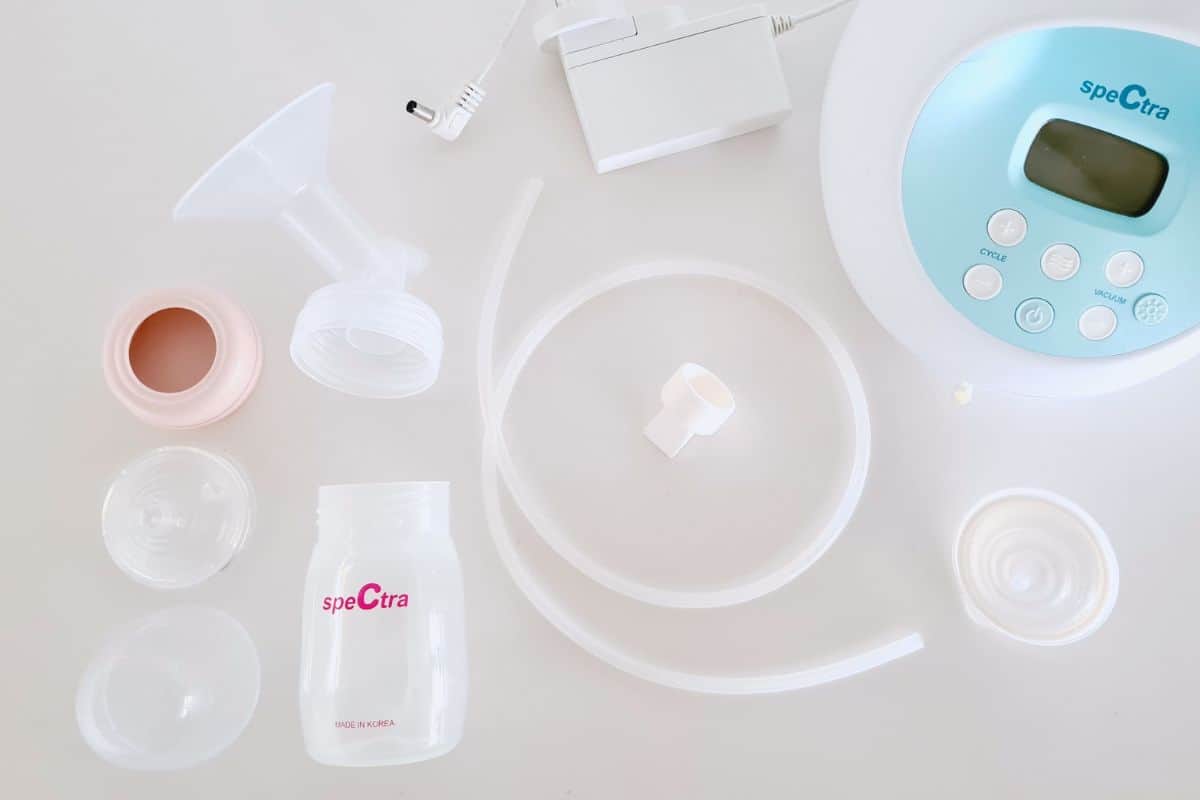
How Often Should You Replace Spectra Pump Parts?
Spectra pump parts do not last forever, especially if you are pumping multiple times a day. Daily washing, sterilizing, and regular use gradually wear down silicone parts, which can lead to weaker suction, lower milk output, and a less comfortable pumping experience over time.
For most moms, duckbill valves and backflow protector membranes are usually the first parts that need replacing since they play a major role in maintaining suction and proper milk flow.
Spectra Pump Parts Replacement Guide
- Duckbill valves: Every 2 to 8 weeks depending on pumping frequency
- Backflow protector membranes: Every 2 to 3 months
- Tubing: Replace if moisture, mold, damage, or milk enters the tubing
- Flanges / breast shields: Every 6 months or as needed for comfort and fit
- Bottles and collection parts: Replace if cracked, warped, cloudy, or leaking
- Backflow protectors: Replace if damaged, loose, or no longer sealing properly
You may need to replace Spectra pump parts sooner if you notice suction feels weaker than usual, milk output suddenly drops, silicone parts appear stretched, or your pump begins leaking during sessions.
Even small changes in Spectra pump parts can make a noticeable difference in comfort, suction strength, and pumping efficiency, especially for frequent or exclusive pumpers.
Proper cleaning and regular part replacement go hand in hand when it comes to maintaining strong suction and consistent milk output.
If you want a step by step walkthrough on cleaning Spectra pump parts, sterilizing components, and keeping your pump in good condition, you can also watch my full video below.
Signs Your Spectra Pump Parts Need Replacing
Even high quality Spectra pump parts eventually wear down, especially with frequent pumping, daily washing, and regular sterilizing. If your Spectra pump suddenly feels less effective or comfortable, worn parts are often one of the first things worth checking.
You may need to replace your Spectra pump parts sooner if you notice any of the following signs:
- Suction feels weaker than usual
- Milk output suddenly drops without another clear reason
- Moisture or milk appearing inside the tubing
- Duckbill valves that no longer close properly or appear stretched open
- Backflow protector membranes that look warped, loose, or damaged
- Cracks, cloudiness, or leaks in bottles or plastic parts
- Increased nipple discomfort or a change in how the flange fits
- Pump parts no longer sealing or connecting properly
With Spectra pumps like the S1, S2, Synergy Gold, and Spectra 9, even small amounts of wear can affect suction consistency and overall pumping performance. Replacing worn parts regularly can help restore stronger suction, improve comfort, and make pumping sessions more efficient.


